East Himalaya

Tuesday, August 6, 2013

The Banyan Tree of Tea


Jorhat, 7th August, 2013: The Ashes of the Father of Assam Tea arrives today at Jorhat. Standing amidst of the 19 Hole Kaziranga Golf Course in Sangsua Tea Estate, I am told that Assam has lost her Tea Deota (Father). Yes Deota, that is what most of his employees and villagers called him. Today, when it is peak of the tea plucking season, the entire tea industry of Assam assembles at Jorhat as the ashes of Dr.Hemendra Prasad Barooah arrives here. He had left for his heavenly abode from Bangkok, and his close people, who looked after him said that “Deota knew that he would be leaving soon, as this was foretold by someone long back and he made sure that all the employees who were temporary be made permanent and other arrangement for smooth running of his company be confirmed”.


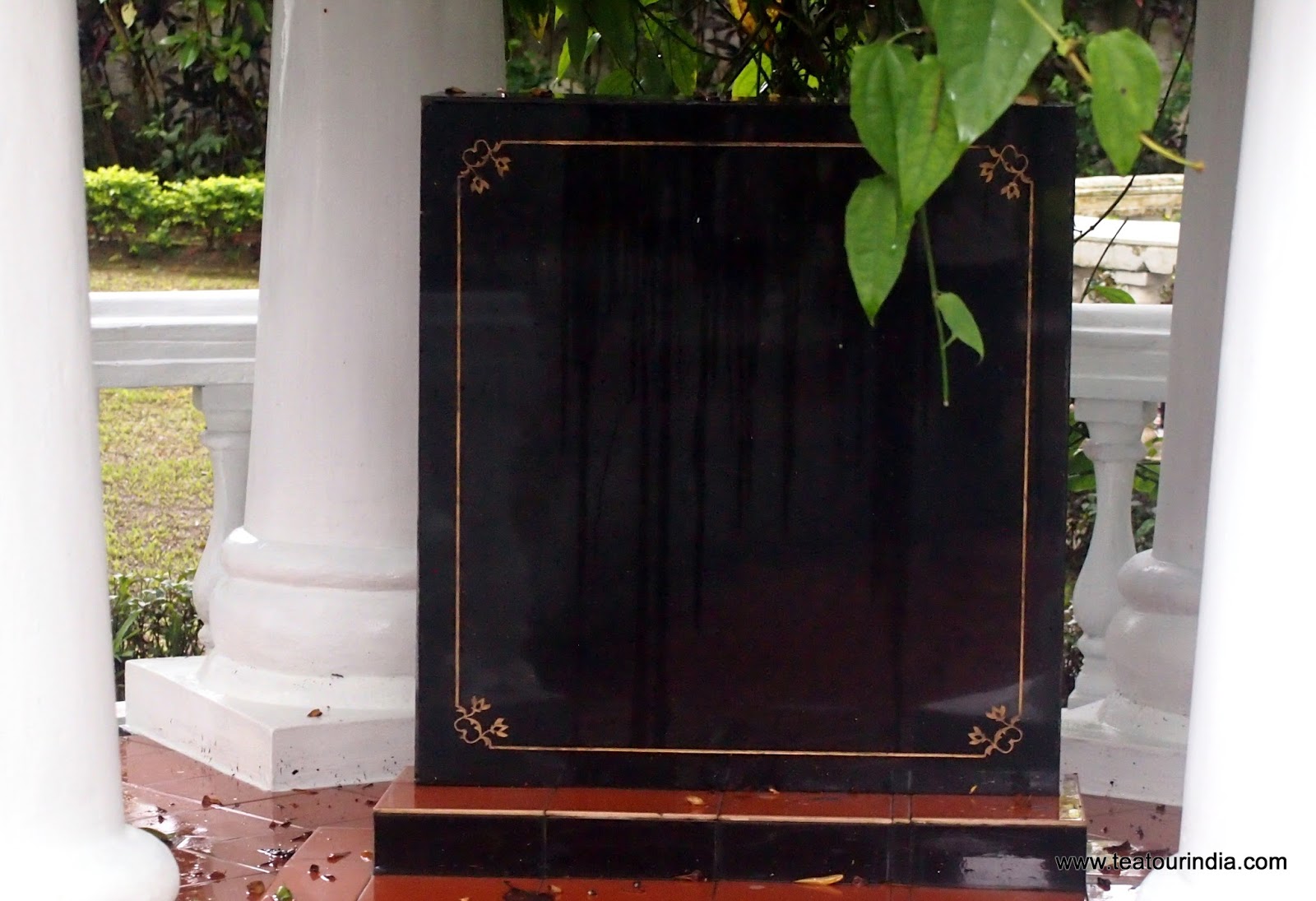
This was not easy. At his family residence, the Thengal Manor in Jalukina Village, which is now open to tourist, there is a extremely peaceful ‘Remembrance Park’ in memory of the Rhongiya Barooahs built by Dr.Hemendra Prasad Barooah, where he has kept a memorial stone for himself, with his son Amit Barooah on one side, who left him for his heavenly abode on 2nd October, 2007 and his beloved wife, Usha Barooah on another side, who left him on 5th July, 2011. His close employees say that Deota is survived by his 02 daughters and daughter-in-law and their families and we want atleast one of them must come and look after this tea empire as a token of respect to the great soul.


It could be a sheer coincidence, his Father, Rai Bahadur Shiva Prasad Barooah was awarded the Medal of high respect His Majesty, The King-Emperor, in commemoration of Their Majesty’s Coronation on 12th May, 1937. Rai Bahadur left for His heavenly abode on 20th April, 1938. Dr.Hemendra Prasad Barooah was honoured with the highest civilian award of India, the Padmasree on the 5th of April, 2013. Both the Father and Son have achieved great honours before leaving this world. It is said that Hem, as he was popularly known among his friend was the first Havard MBA of 1949, where he was the batch mate of Henderson of Shereton Group and Parker of the makers famous Parker Pens. From 02 Tea Estates, which he inherited as a part of his family business, Dr.Barooah expanded to 10 Tea Estates and was the 1st locally owned Tea Estates of Assam under B&A were registered at the Calcutta (Kolkata), Bombay (Mumbai) and Gauhati (Guwahati) Stock Exchanges.


Calcutta (Kolkata) was the home for Dr.Hem Barooah till his last. He spent a lot of his valuable time with big time artists, film makers, social workers and creative people there. He has a remarkable collection of Paintings and Art and is also known for producing a full length Bollywood film, Ek Pall. He did visit his Tea Estates, many of them around Jorhat, he used them to create ‘Tea Tourism’ infrastructure, a major part for Tee & Tea (Golf and Tea) and Tea Heritage. The almost 185 years old Banyan Tree of Mistri Saheb Bungalow at Gatoonga is a witness to the Great Tea Industry of Assam, the roots of modern tea drinking in the world.


This is a trip which has been undertaken on behalf of www.teatourindia.com to pay homage to the Father of Assam Tea.


Saturday, July 13, 2013

Alternative Arunachal Part 01 (Dree, the indigenous festival of monsoons, rice and changing people)


The application is there with the UNESCO office for recognization of the area with large valleys of rice surrounded by mountains of Bamboo and Pine Sacred Groves as World Heritage Site. The Japanese experts say that the indigenous variety of rice is the highest density known globally. This grows in the Apatani Valley as wet cultivation, with fishes (mainly carps) growing in the water of the rice valleys helping them to grow faster and the bamboo and pine leaves and pine needles of the adjoining hills make the natural compost, fertilizers, insecticides and pesticides for the fields. The communities believe that the secret of this best rice crop of the world is in the sacred groves, where the souls of the ancestors live and are free from human interference. This should not give an idea that the Dree Festival is all about Rice and Fish, which is certainly the daily market, but the festival for me is more of the delicious Dog and Mithun dry meat with lots of black Apong.
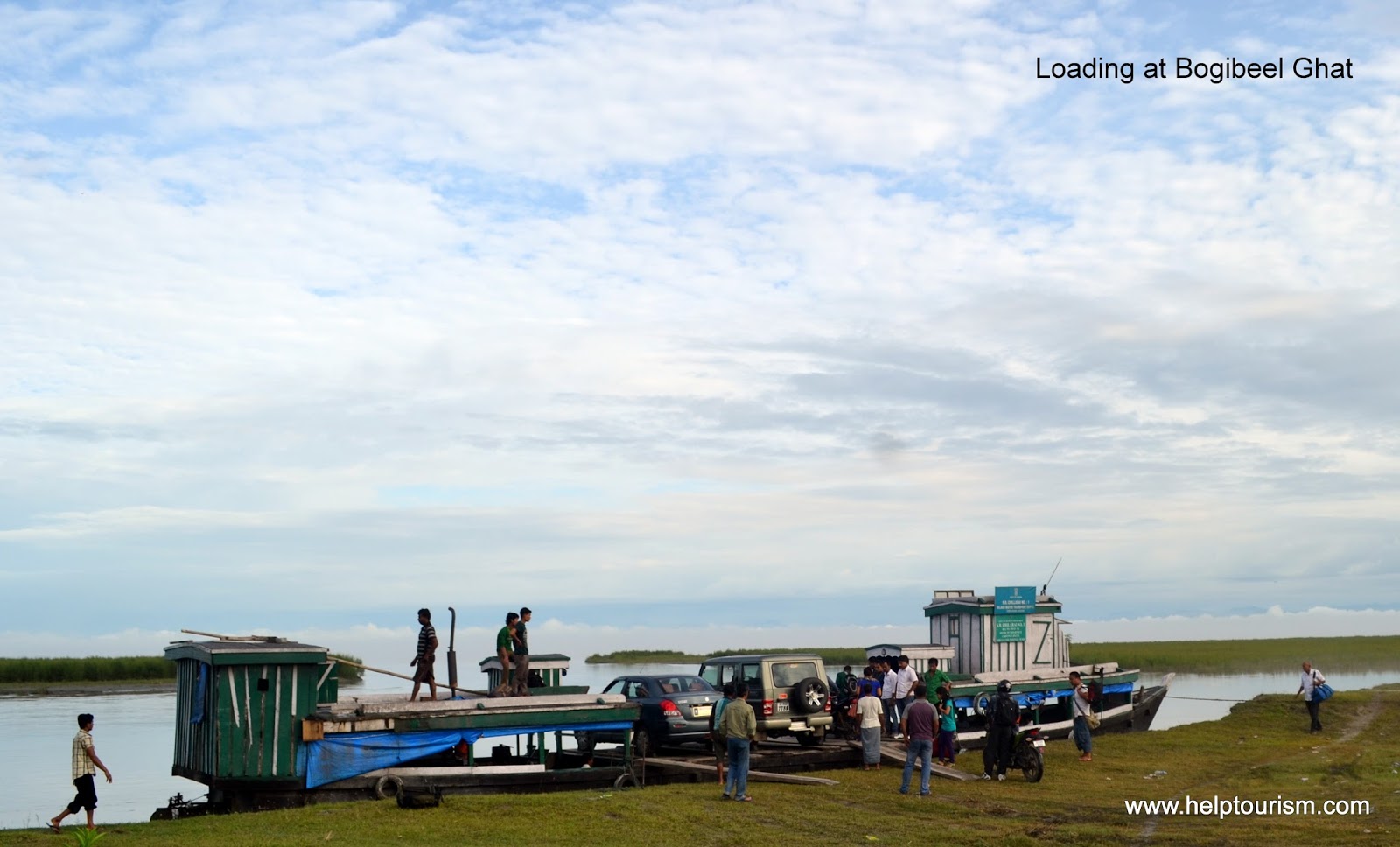
This was not that of a very planned or well thought journey to Arunachal Pradesh. Casually I happened to reach Dibrugarh by Rajdhani Express from Siliguri, after an overnight journey was picked up early morning by Prashanta, the community leader who runs the Dihing River Camp with Help Tourism. Next day, on the 3rd of July, 2013, we ferried over through Bogibeel Ghat, where a 5kms long bridge on 42 pillars is expected to complete by 2015. All these ferries in the Himalaya are a lifetime experience with landscape and people in focus. Sometimes when I see these bridges being built, I feel sad for an endangered Indian ferry culture, which supports thousands of families and brings together diverse communities through their skills. The cost of these bridges could have probably subsidised the ferry culture for the next 02 decades.

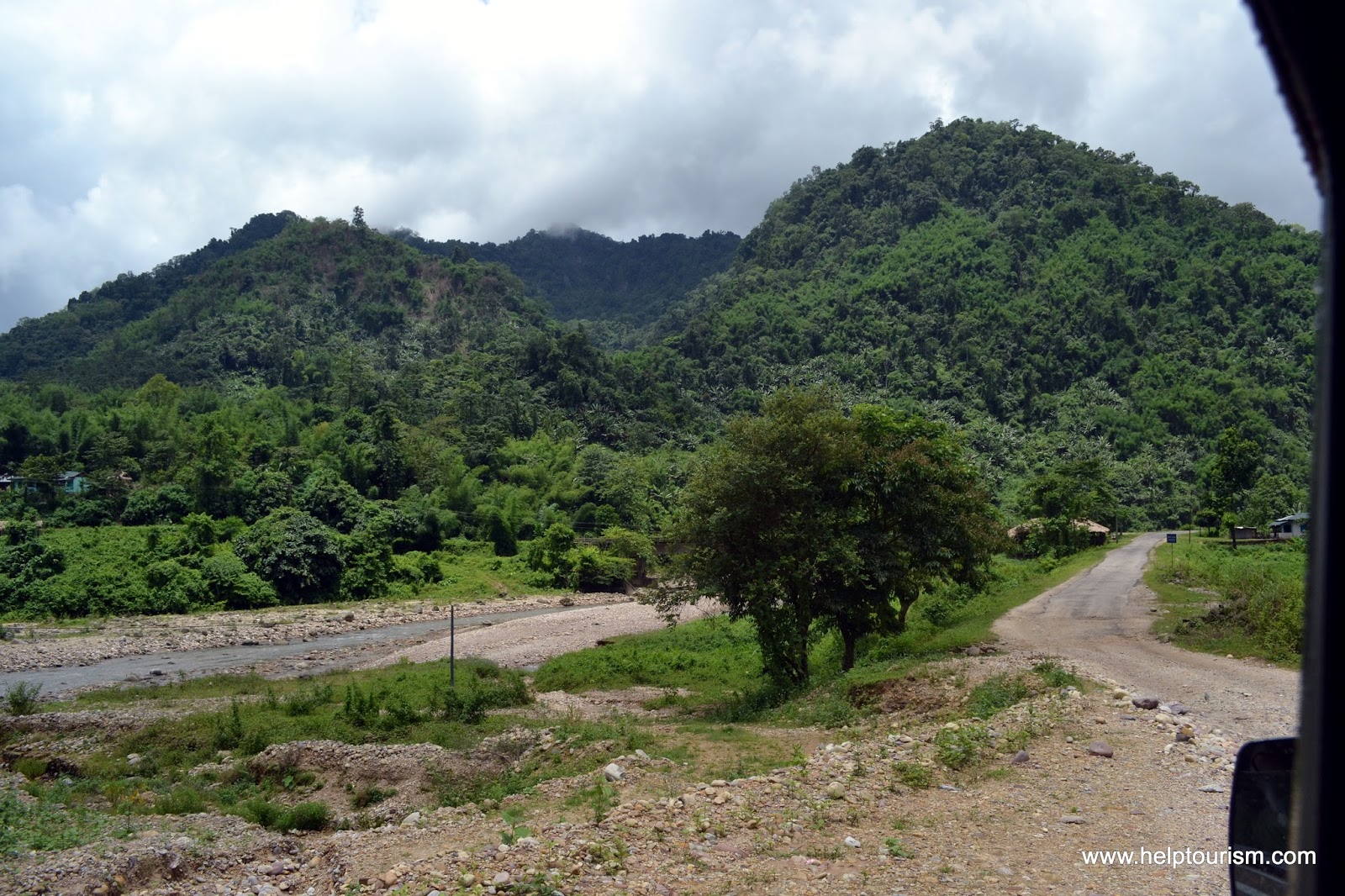
Sorry, I often get carried away with the traditional culture of the rivers which keep people connected to them because of their day to day use. The entry was through the bordering Assam town of Shilapathar and finally driving through the Ego River Valley landscape, where Help Tourism hosts their guests in community camp sites, I reached the Along area for overnight rest. While I was entering through the Leikabil check-post, the Incharge asked me if I was there for the Dree Festival. I suddenly remembered about this main festival of Central Arunachal Pradesh and I left early morning the next day driving through the Subanshiri River Valley reached Ziro late in the evening on 4th July.
First, I must tell you all about the good things that can happen, I met the Ambassadors of Northeast at the Dree Festival at Ziro. Arif Siddique, the famous photographer for representing India’s Northeast through his lively and typically Northeast photographs, Lou Majaw for his globally famous musical voice from Northeast, Tagge Kanno for his understanding of the NGO movement of Northeast at the global level and Asit Biswas the main story builder for National Geographic and BBC Wildlife filming in Northeast were at the festival and we all got together to an extended celebration in the evening.
Though the images will do most of the explanation, but to talk about Dree, it is a festival of borrowing and lending of food grains to balance stock at home and compensated after the harvest. The present fixed day celebration of 5th July was started in 1967 in the Apatani valley of Ziro. Though the festival is more about the Apatani tribe, but it remains incomplete without the participation of the Nyishis and Galongs. The priests and GaoBurrhas in warrior and traditional dresses complete the ceremonies of chicken, egg and mithun sacrifice. The main headgear of the Apatanis, which has been inherited generation after generation has a typical comb whose origin is lost and may be found out through the picture enclosed. This headgear is taken out, prayed and displayed only during the Dree Festival. The fusion of tradition and modern fashion comes with a fine line and the elegance of this balanced fusion is reflected in the entire festival. It is sometimes hard to believe at places like the Apatani valley, which is supposed to be remote can display so much of modern lifestyle too.

As I fly out of the valley with the setting sun in the western sky, I believe that one day I would be flying out further East to the neighbouring countries singing the success of India’s Look East Policy. An opportunity to find the origin of the hair-pin in the Apatani headgear, passed on from one generation to the other since time unknown.


Friday, July 12, 2013

Alternative Arunachal (A Series Dedicated to Indigenous Peoples Week, Aug 5-11)

It is my friend Marcus who motivated me through a post in Google+ to bring in this series for the Indigenous Peoples Week being celebrated for the 2nd year in 2013, between August 5th to 11th. I chose Arunachal Pradesh, a state of India for several reasons, one is the fact that this is one of the states which is described to have a two third population of indigenous population consisting of 26 tribes and more than a 100 subtribes. As copied from Wikipedia The Scheduled Castes and Scheduled Tribes Lists (Modification) Order (1956 and as inserted by Act 69 of 1986) lists twelve tribes of Arunachal Pradesh explicitly, but makes explicit that the list is non-exhaustive by noting that "all tribes of the State, including" those listed are to be considered "Scheduled".
It is not about numbers, but every 20 kilometres that you travel in Arunachal Pradesh, you will find a new group of people adopting their own way in this natural habitat of 84,000 sq kms with a population density less than 20 people per sq km. It was not possible for the Industrial Imperialistic governance under the British Empire to understand these people who followed the culture of BIODIVINITY. Even while explaining the several schools of thought, following the different Teachers or Gurus, Dhamma, the way of life, taught by the teachers in the society were brought under the broad term ‘religion’. In the same way indigenous people who could not be understood were brought under ‘tribe’. The others were called ‘natives’.
It has now been 70 years since the World War II. This area of India’s Northeast, described as an important part of the CBI (China-India-Burma) Theatre was the last happening and noted history of the region. Before this, it is all through stories, culture and habitat, that we can trace some of the untold histories. I have always felt that one of the best ways to explore Arunachal Pradesh is through a journey, where we can avoid the so called known and structured visitor infrastructure of Circuit House/Inspection Bungalow and Hotels/Lodges. The best way because tourism till date did not get an opportunity to flourish and hence the conventional tourism infrastructure has not developed, thereby leaving an opportunity to develop tourism in Arunachal Pradesh in an alternative way with homestays, local family or community run infrastructure of camps/log huts/long houses.
There are 03 main tourism circuits in Arunachal Pradesh, East, West and Central, all approachable through several entry points in Assam, with 02 main hubs in Upper Assam, Tezpur in North Bank and Dibrugarh in South Bank. The most interesting part are the ferries through the Ghats in Assam, which with the fast development of bridges may be an experience only for the next 05 to 10 years, the last ferry experiences in the Himalaya. Till date, because of the lack of bridges lot of Arunachal is cut off for the 03 monsoon months and this probably helps in conservation of several traditional practices. Most of the traditional festivals also take place in the monsoon months.